
Understanding Medicaid Planning in Tennessee: What Families Need to Know
The cost of long-term care in Tennessee continues to rise, and many families are caught off guard by how quickly savings can be depleted when a loved one needs extended nursing care. Medicaid planning is a legal strategy that helps families protect their hard-earned assets while ensuring their loved ones qualify for the care they need.
Tennessee's Medicaid program, known as TennCare, has strict income and asset limits that are adjusted periodically. Not all assets are counted — your primary home, one vehicle, and certain other assets may be exempt. An experienced attorney can walk through the current requirements and how they apply to your family.
One of the most important concepts in Medicaid planning is the five-year look-back period. When someone applies for Medicaid, the state reviews all financial transactions from the previous five years. Any gifts or transfers made during that period can result in a penalty period during which Medicaid will not cover nursing home costs.
This is why early planning is so critical. The sooner a family begins the Medicaid planning process, the more options are available. Strategies such as irrevocable trusts, spousal transfers, and annuity purchases can help protect assets when implemented well in advance of a Medicaid application.
At Clements & Eubanks, Bryson Eubanks works closely with families navigating the complexities of TennCare. With his background in gerontology and public benefits, Bryson helps families develop comprehensive strategies that balance asset protection with quality care for their loved ones.
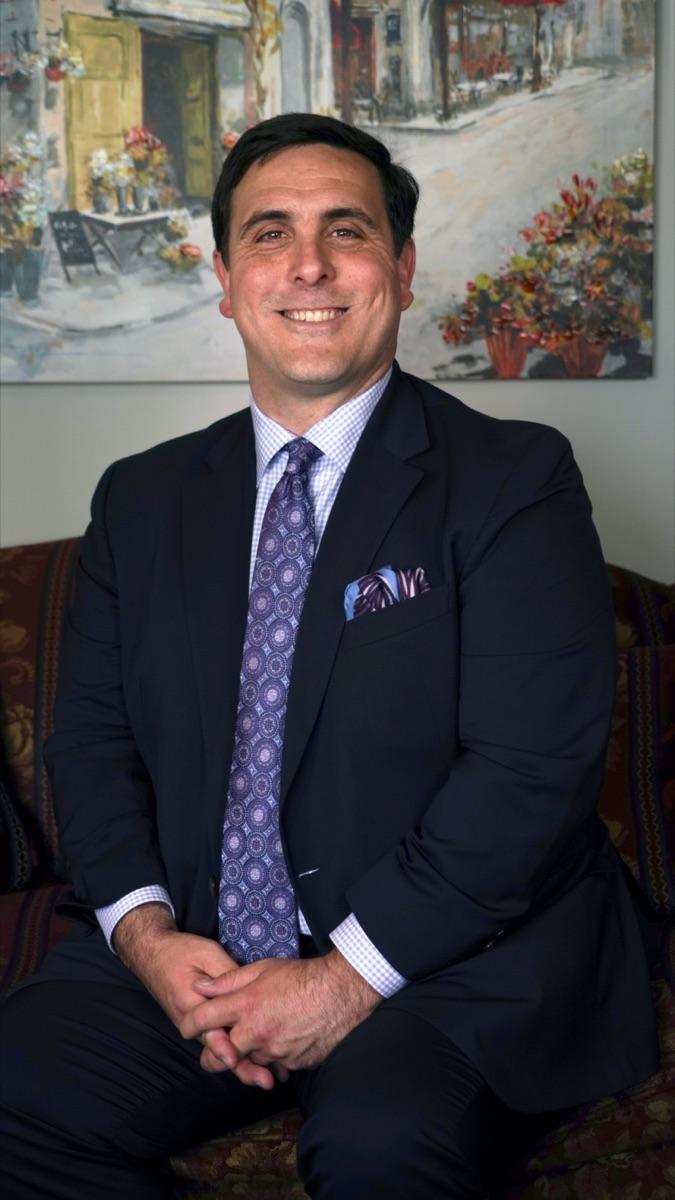
Written by
Bryson Eubanks
At a young age, Bryson witnessed his family caring for his great-grandmother. The formative experience inspired his career path into elder law. He runs his business to help families support each other, and he treats all of his clients like family. After playing baseball for Carson-Newman University, Bryson received his Masters of Arts in Gerontology from Appalachian State University. He then began a fulfilling career as a public benefits specialist, learning firsthand how the law could help families navigate the challenges of aging.